
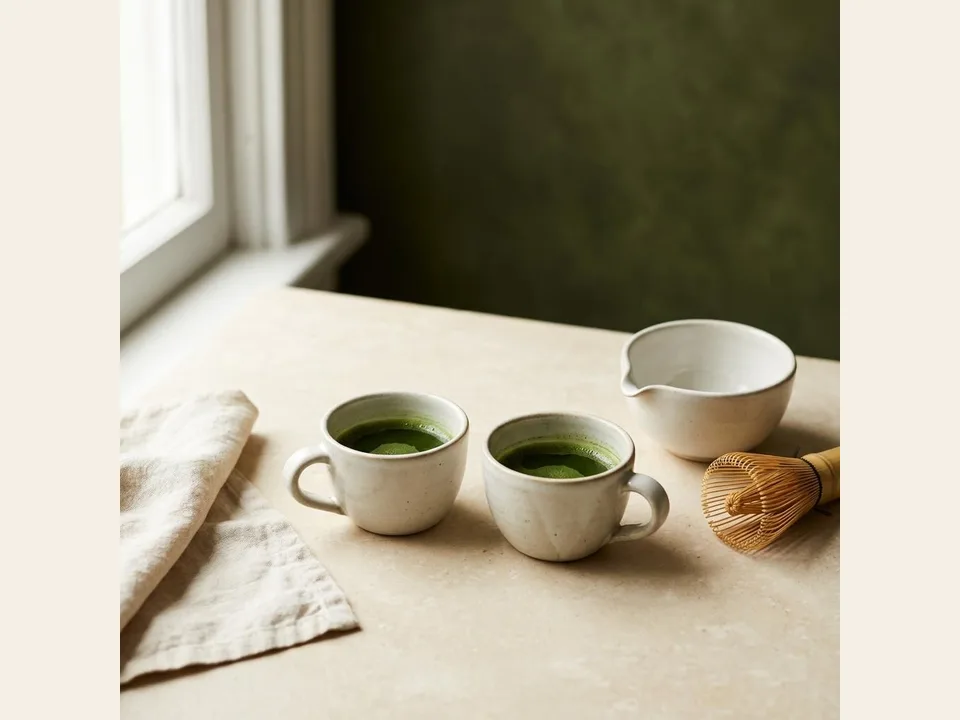
Skip to content

High ceremonial grade · Everyday luxury

Emerald Parrot high ceremonial grade matcha — Whisk something
jewel-bright.

High ceremonial grade matcha for your daily moment of luxury. A considered ritual, a beautiful bowl, and a little untamed elegance—distinctly Emerald Parrot.

Emerald Parrot Matcha logo: a faceted emerald parrot among gemstonesHatching soon

The ritual

Ceremony, with a little plumage.

Matcha has always been about attention: a warm bowl, a fine sift, the brisk sound of bamboo against ceramic. We love all of that. We just think it can also be joyful, loud, and green enough to make you grin.

The parrot is our reminder. Gemstone-cut, vividly colored, impossible to ignore, and happiest when it has company. Make a bowl, then make one for a friend.

Matcha history

Centuries in every sip.

Long before it was the star of your favorite morning latte or the vibrant green soul of Emerald Parrot Matcha, this powdered powerhouse was the ultimate ancient life hack. The story of matcha is a centuries-long epic of Zen monks, samurai warriors, and a brilliant botanical trick that changed the tea game forever.

Years 618–1279The Original Tea Hack: China

The matcha story kicks off in China during the Tang Dynasty. Back then, transporting delicate tea leaves was a logistical nightmare, so farmers got creative: they steamed the leaves, packed them into solid bricks, and hit the road. When it was time for a brew, they’d simply chip off a piece of the brick, roast it, smash it into a powder, and boil it with a pinch of salt. By the time the Song Dynasty rolled around, tea makers had upgraded the routine, grinding the leaves into a fine, vibrant powder and whipping it up in a bowl of hot water with a bamboo whisk. Powdered tea became associated with Zen Buddhist meditation practice.

Year 1191A Monk on a Mission: The Japan Connection

Enter Eisai, a Japanese Zen monk who traveled to China to study and came back with something better than souvenirs: Zen philosophy, the secret to powdered green tea, and a pocketful of tea seeds. He planted those seeds on temple grounds in Kyoto and eventually penned the ultimate hype manual, Drinking Tea for Health. While mainland China eventually moved on to steeping loose-leaf teas, Eisai’s green powder took root in Japan and sparked a cultural obsession.

14th–15th CenturiesThrowing Shade: The Uji Revolution

As tea farms developed across Japan, growers in the Uji region of Kyoto refined shading techniques. Covering tea plants with straw and reed canopies before harvest changes their growing conditions and can influence chlorophyll, amino acids, color, and flavor. Shading became part of the craft associated with matcha's rich umami character. It does not guarantee a particular composition or taste in every tea.

16th CenturySamurai, Zen, and the Art of the Sip

Matcha wasn't just a drink anymore; it was a status symbol for the samurai elite and a spiritual tool for monks. In the 16th century, a visionary Zen monk named Sen no Rikyū took things to the next level. He created the traditional Japanese tea ceremony, stripping away the flashy extravagance of the elite to focus on wabi-sabi—the beauty of rustic simplicity and imperfection. Rikyū turned the preparation of matcha into a mindful, highly choreographed art form rooted in harmony, respect, purity, and tranquility.

Then to nowThe Global Glow-Up

Matcha's story extends from Japanese tearooms and ceremonies to cafés and kitchens around the world. Today, people enjoy it whisked with water or prepared as a latte. Its cultural history and growing popularity are not clinical evidence or a description of where our tea was grown. Product origin and final specifications will be published after verification.

How to prepare

Five steps to
a green crown.

A classic bowl of usucha. Around three minutes, start to sip.

Matcha measures use level teaspoons and are approximate. The ml figure is dry powder volume, not water. Weigh for precision.

  1. 01

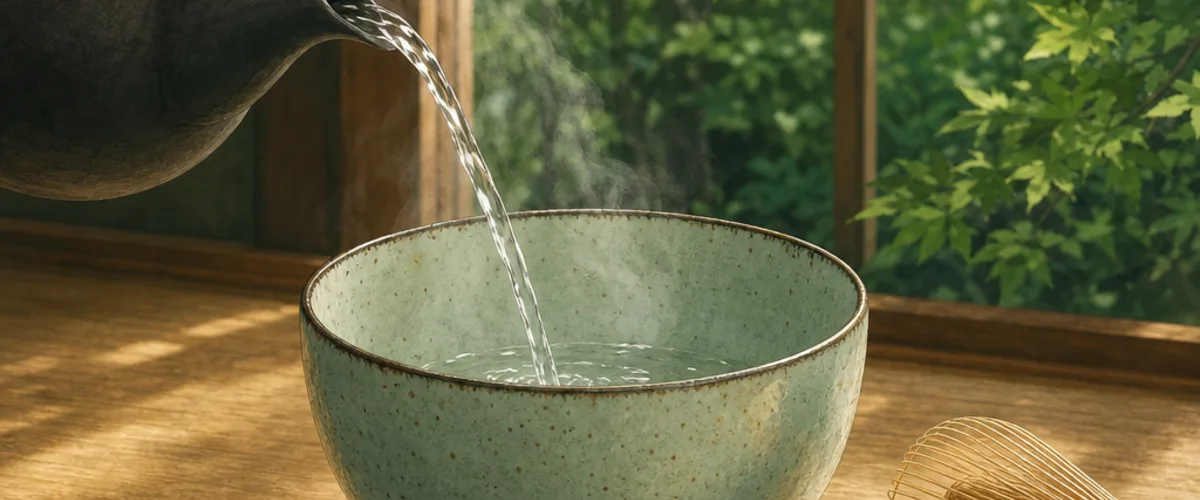
    Warm the bowl

    Pour hot water into your chawan, swirl, and discard. A warm bowl keeps the tea bright and the foam lasting longer.

    Hand-painted illustration of hot water being poured into an empty ceramic bowl to warm it.
  2. 02

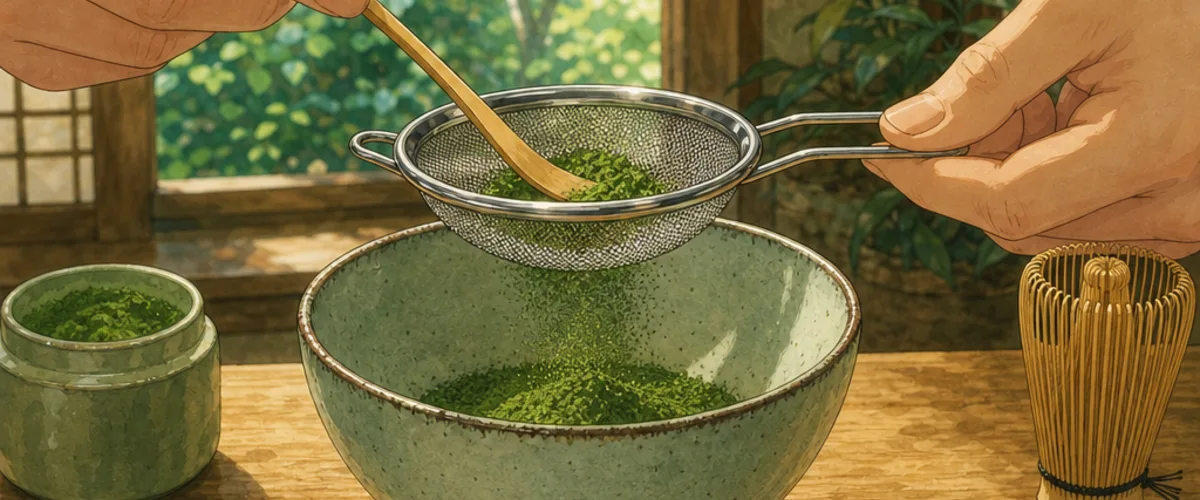
    Sift the powder

    Push about 1 level teaspoon / 2 g / 5 ml / 0.07 oz of matcha through a fine sieve. Sifting is the difference between clumps and silk.

    Hand-painted illustration of dry green matcha being sifted through a fine mesh sieve into a bowl.
  3. 03

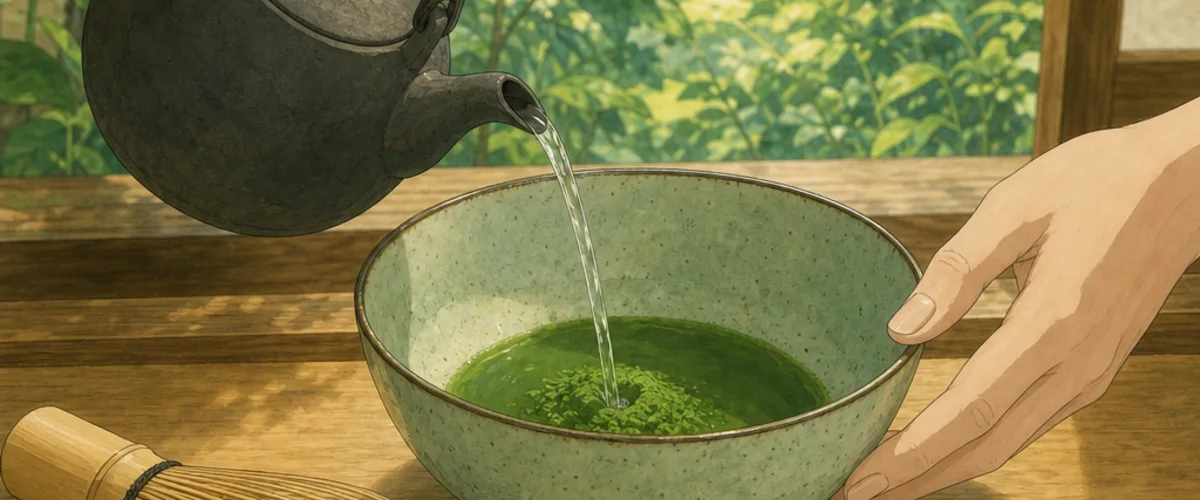
    Add water, not boiling

    Pour around 2–2.4 fl oz (60–70 ml) of water at about 167–176°F (75–80°C). Too hot and matcha turns sharp; just right and it stays sweet and grassy.

    Hand-painted illustration of a kettle adding water to sifted matcha in a ceramic bowl.
  4. 04

    Whisk in a W

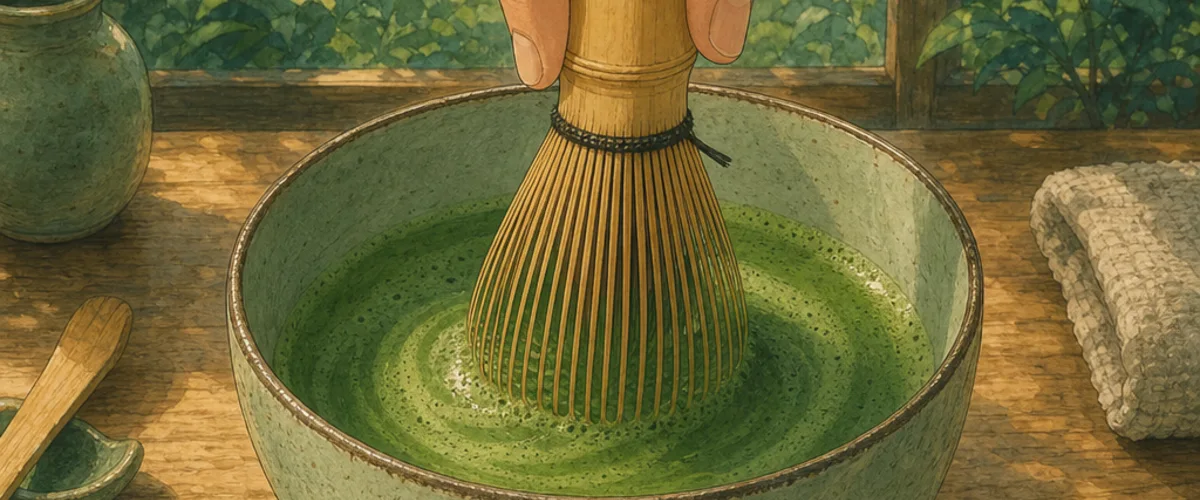
    Hold the chasen upright and whisk quickly from the wrist in a zig-zag "W" for 15–20 seconds, until a fine, even foam forms.

    Hand-painted illustration of a bamboo whisk making fine green foam in a bowl of matcha.
  5. 05

    Lift and drink

    Draw the whisk up through the center to leave a soft crown. Drink it while it is alive and green.

    Hand-painted illustration of two hands lifting a finished bowl of frothy green matcha.
Thin tea

Usucha薄茶

The everyday bowl. Light, frothy, and bright. About 1 level teaspoon / 2 g / 5 ml / 0.07 oz matcha to 2.4 fl oz (70 ml) water.

Thick tea

Koicha濃茶

Slow and velvet-dense, kneaded rather than whisked. About 2 level teaspoons / 4 g / 10 ml / 0.14 oz matcha to 1–1⅓ fl oz (30–40 ml) water.

Over milk

Latteラテ

Whisk a small usucha, then pour over steamed or iced milk of your choice.

Recipes · Sun & Shade

Our favorite
recipes

All six matcha recipes, grouped into bright, fruity sips and deep, cozy rituals.

Matcha measures use level teaspoons and are approximate. The ml figure is dry powder volume, not water. Weigh for precision.

Warm & fruity

The Sunshine State

Sun-warmed flavors, served cold. Bright citrus, golden mango, and a little tropical play.

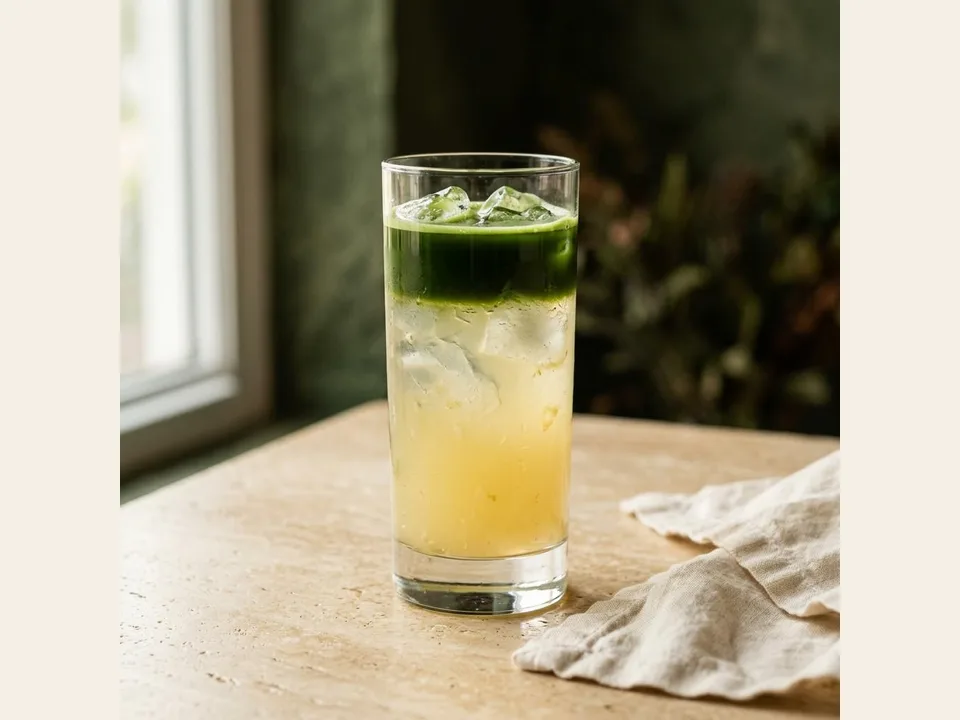
Illustration of iced pineapple-lemon lemonade with a green matcha layer on top, without milk.
Recipe illustration · Serving suggestion

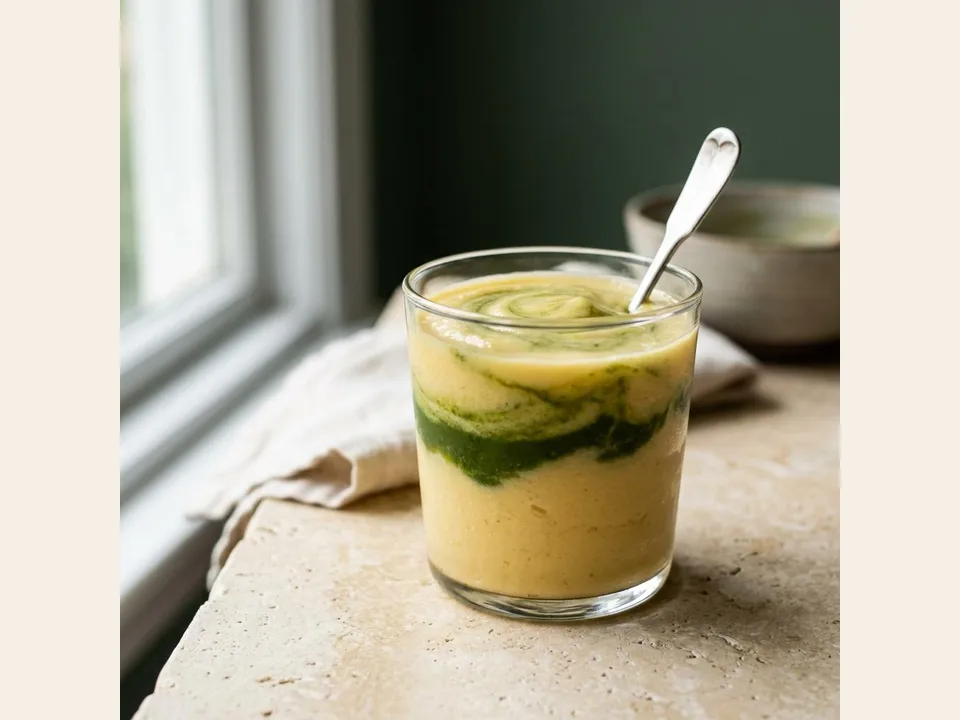
Illustration of a thick golden mango and coconut-milk blend with a green matcha ribbon through the middle.
Recipe illustration · Serving suggestion

Illustration of a stirred olive-green orange, lime, and matcha cooler over ice.
Recipe illustration · Serving suggestion

Deep & cozy

The Jungle Shade

A quiet bowl, a creamy latte, or a cool coconut sip. Cozy is a feeling, not a temperature.

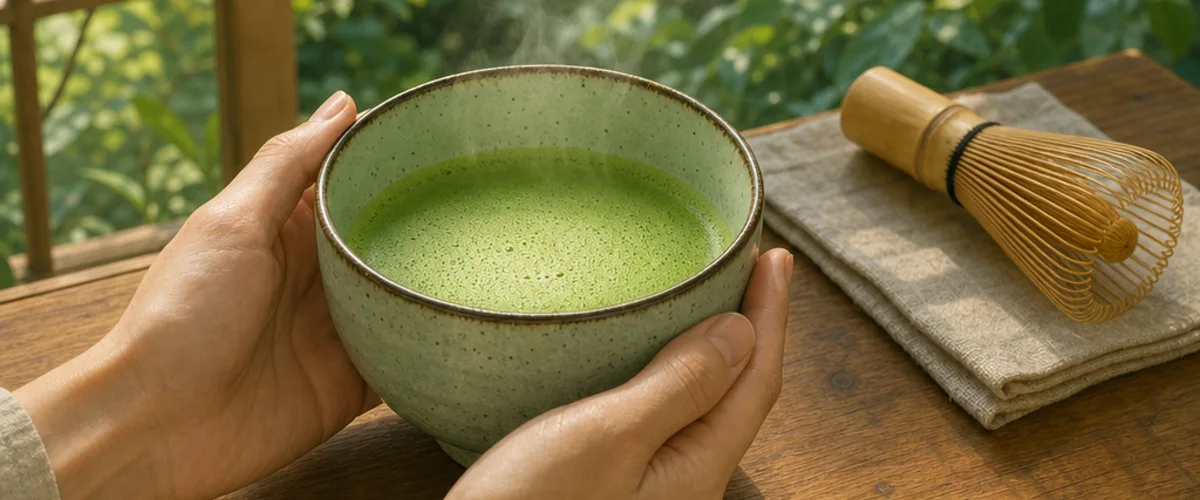
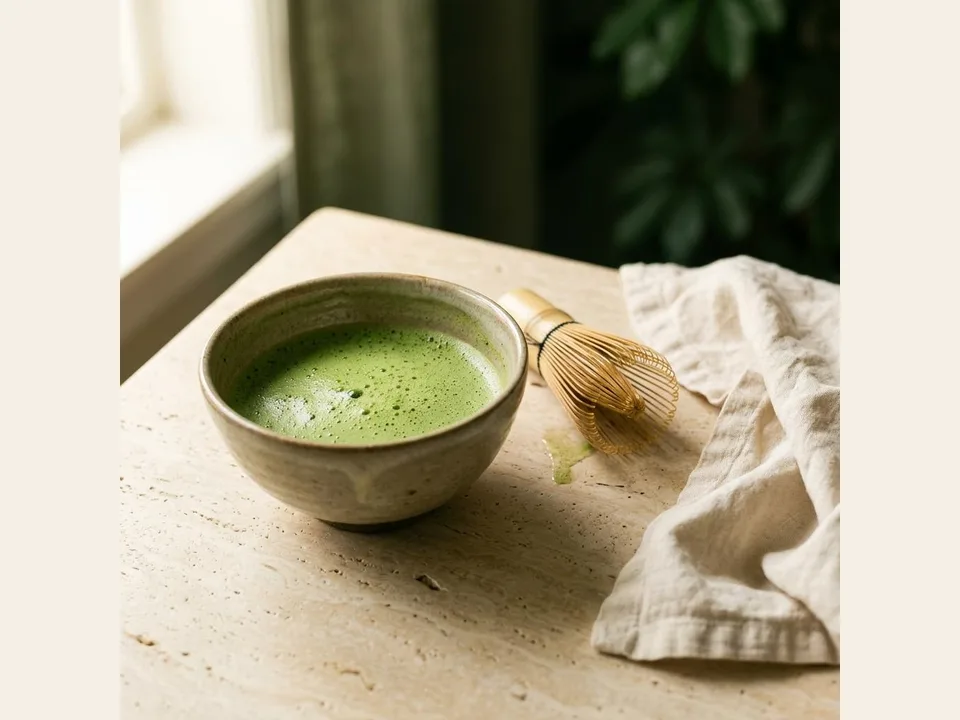
Illustration of a small bowl of hot green usucha with fine matcha foam and a bamboo whisk beside it; no milk or ice.
Recipe illustration · Serving suggestion

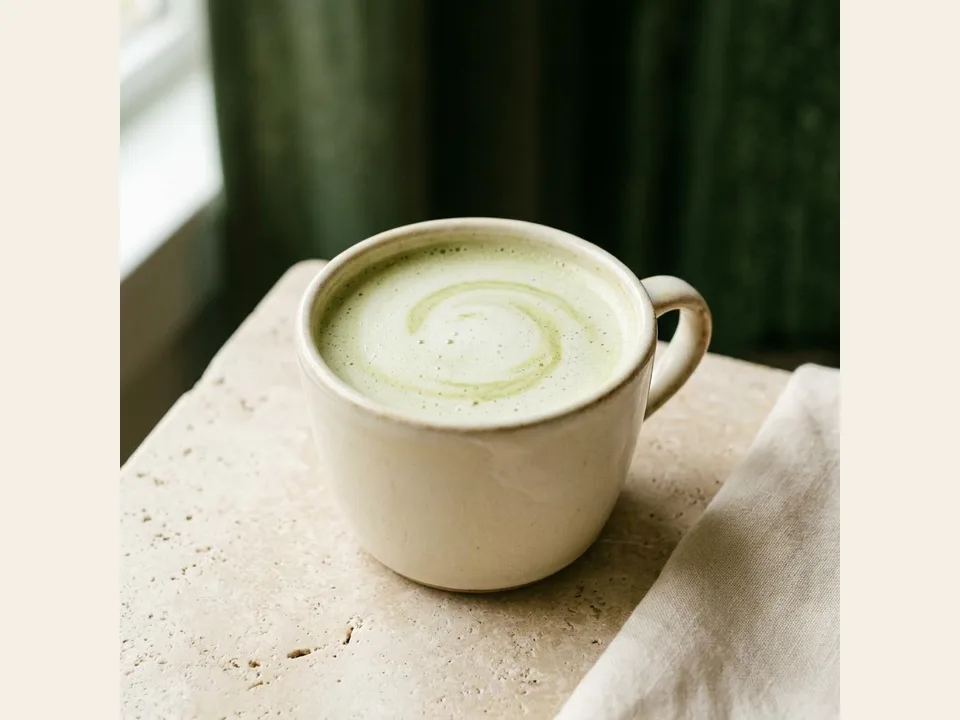
Illustration of a pale green hot coconut-vanilla matcha latte in a ceramic mug with a light layer of fine milk froth.
Recipe illustration · Serving suggestion

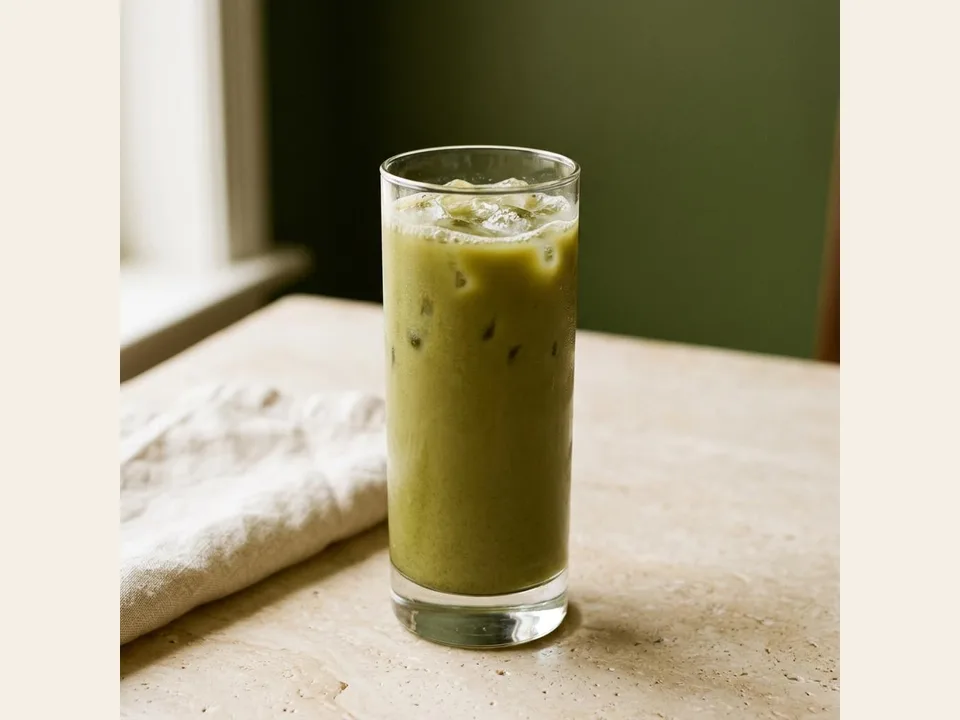
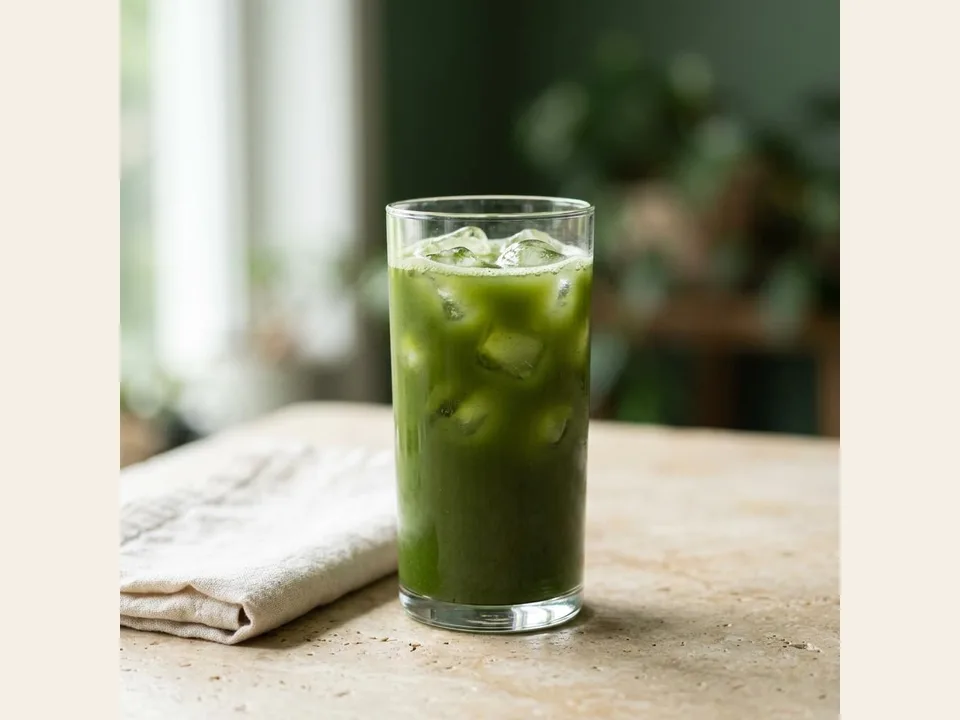
Illustration of translucent green matcha stirred into coconut water over ice, without white coconut milk.
Recipe illustration · Serving suggestion

A small concentrate, two drinks

Illustration of two small preparation cups holding equal green matcha-concentrate portions, before dilution with water or milk.
Recipe illustration · Serving suggestion
Ingredients
  • About 2 level teaspoons / 4 g / 10 ml / 0.14 oz matcha
  • 2.03 fl oz (60 ml) water, about 167–176°F (75–80°C)
Method
  1. Sift the matcha into an open bowl. Whisk with the measured water until smooth.

  2. Divide evenly between two cups: about 1 fl oz (30 ml) of concentrate per cup.

  3. For each drink, add 4.1–6.1 fl oz (120–180 ml) water or milk, warm or cold as appropriate. Stir and serve immediately.

A mixing guide, not a recommended daily intake. Use the concentrate to make two diluted drinks; it is not presented as a straight shot. Caffeine varies by tea. Do not seal or shake hot liquid.

Recipe ideas only; not products for sale, verified tea claims, or final label instructions. Caffeine varies; check ingredient labels for allergens.

Hot-liquid safety: use open bowls for warm water, never seal, shake or blend hot liquid, and check the temperature before drinking.

21+ After hours · Private collection

The late perch.

Cocktail recipes are available only to visitors 21 years of age or older.

Are you 21 or older?

Confirm that you are 21 or older to continue. This is a self-confirmation, not identity verification, and your response is not stored.

Why matcha

A little luxury.
A ritual to love.

Make room for a beautiful bowl, a natural lift, and the pleasure of preparing something just for you. Meet Emerald Parrot’s high ceremonial grade matcha.

  1. A naturally uplifting start

    Tea’s naturally occurring caffeine can help you feel more alert and awake. Make your morning bowl a moment to look forward to.

  2. Discover matcha’s savory side

    Tea’s amino acids, including L-theanine, contribute to its savory character, known as umami. It’s one of the flavors that makes matcha so distinctive.

  3. The whole-leaf experience

    Finely powdered green tea means you whisk in the leaf itself, along with its naturally occurring plant compounds, including catechins such as EGCG. Enjoy it as a traditional bowl, a latte, or a refreshing iced drink.

Contains caffeine. Choose an amount and time that suit you. If pregnant, breastfeeding, taking medicines, or sensitive to caffeine, ask your clinician or pharmacist about enjoying matcha.

Ingredient information & sources

Background reading about tea’s composition, taste, and caffeine. These sources describe tea generally, not laboratory measurements of our tin.

The shop

A little luxury
in every bowl.

Discover Emerald Parrot’s high ceremonial grade matcha for $25 per tin, or stock up with six tins for $100—save $50. Each 1oz / 30g tin makes about 15 cups at 1 level teaspoon / 2 g / 5 ml / 0.07 oz each, or up to 30 lighter cups at ½ level teaspoon / 1 g / 2.5 ml / 0.04 oz each.

Buy now via PayPalHigh ceremonial grade
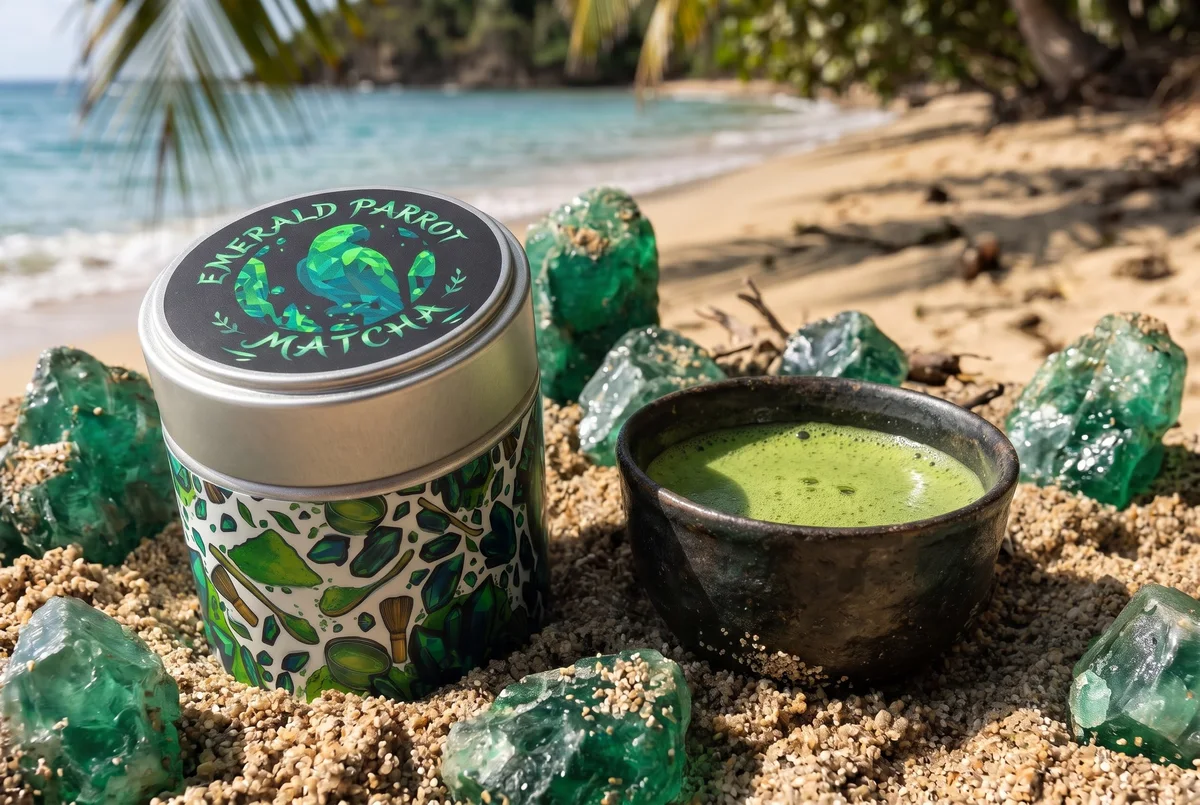
Emerald Parrot Matcha tin and bowl of prepared matcha on a tropical beach.
Concept image; final packaging is pending review.

Emerald Parrot Matcha

1oz / 30g · about 15 cups*
See product information

$25

*About 15 cups at 1 level teaspoon / 2 g / 5 ml / 0.07 oz per cup; about 30 cups at ½ level teaspoon / 1 g / 2.5 ml / 0.04 oz. Estimate only. Final tin weight is pending label confirmation.

Payment methods available through PayPal

Powered by PayPal

Six-tin offer · Save $50

The Nest Bundle: 6-Tin Reserve

Six tins · 1oz / 30g each

$100Normally $150 for six individual tins

About $16.67 per tin · 33⅓% savings

Use this bundle checkout for the offer. Adding individual tins in the single-tin checkout does not activate this bundle price.

PayPal hosts checkout in a new tab. Review the item, shipping details, and total shown there before completing payment.

Already checked out? Payment & receipt help

Questions

Asked, answered.